Foundation
Foundation is the cornerstone of any successful makeup look! But many of us face big problems when buying foundation — either the shade doesn’t match our skin tone, or the formula isn’t suited for our skin type. You might have experienced this frustration! 😣 But with MahaUp, we’re here to solve all these issues — and help you find the perfect foundation that enhances your natural beauty 👑
🧐 Why is Choosing the Right Foundation So Important?
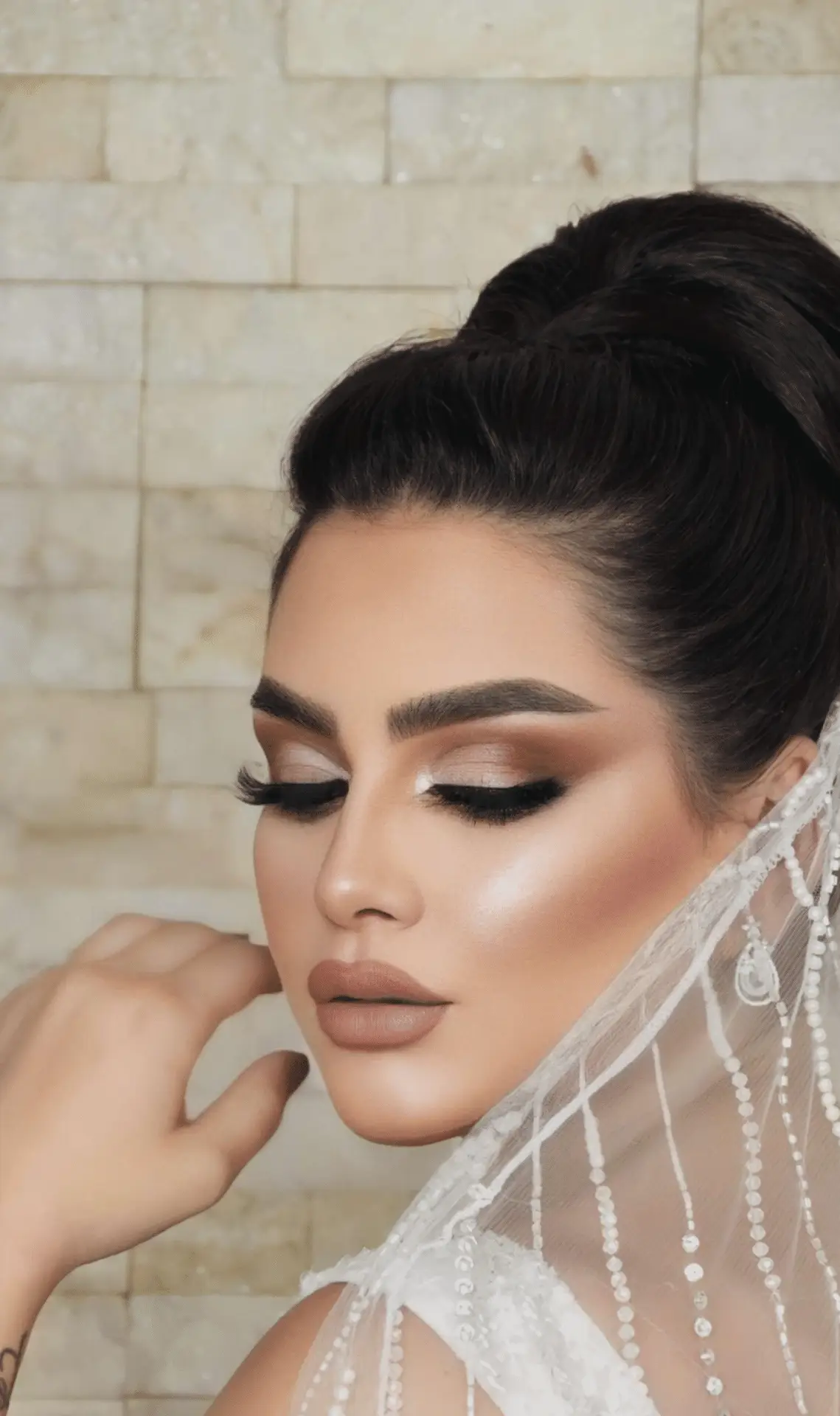
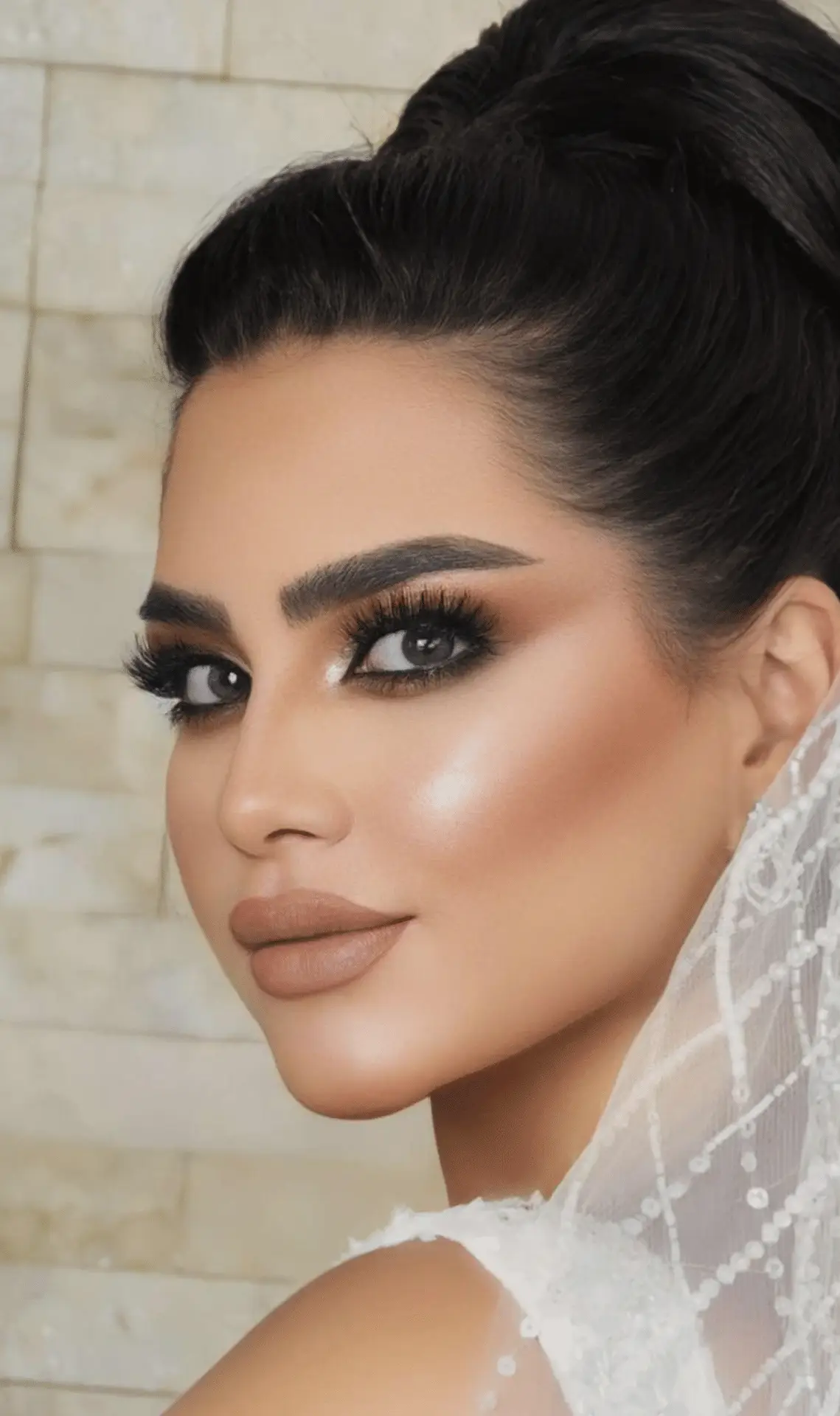
A good foundation doesn’t just give you a flawless, even complexion; it also ensures that your makeup stays in place all day without oxidizing or changing color over time. When you choose the right foundation, you’ll find your skin looking not only even but glowing naturally and full of life.
1. 1. Identifying Your Undertone: The Key to Finding Your Perfect Match
Your undertone is the subtle hue beneath your skin’s surface. Identifying your undertone is crucial for picking the right foundation because if your foundation’s undertone doesn’t match yours, it could end up looking grey or orange.
- Warm Undertone: If the veins on your wrist appear greenish, your skin has a warm undertone. Look for foundations with a yellow or golden base.
- Cool Undertone: If your veins appear blue or purple, your skin has a cool undertone. Opt for foundations with a pink or red base.
- Neutral Undertone: If you can’t determine whether your veins are blue or green, you have a neutral undertone. You can go for either warm or cool foundation shades.
Choosing the right undertone for your foundation is the first and most important step to ensuring it blends naturally with your skin. ✨
2. 2. Understanding Foundation Formulas: What Works for Your Skin Type?
The right foundation formula depends on your skin type. Whether your skin is oily, dry, or sensitive, choosing the right formula ensures a flawless, long-lasting finish.
| Skin Type | Ideal Foundation Formula | Finish |
|---|---|---|
| Oily/Combination | Lightweight liquid or powder foundation, oil-free | Matte or semi-matte to control shine |
| Dry/Normal | Creamy, heavy foundation or oil-based serum | Dewy or radiant for a fresh glow |
| Sensitive/Acne-Prone | Mineral-based or non-comedogenic formulas | Any finish, but fragrance- and alcohol-free |
Choosing the right foundation formula according to your skin type ensures your makeup stays smooth, comfortable, and flawless throughout the day.
3. 3. Coverage Level: How Much Do You Need?
Foundation coverage varies from light to full, and each level serves a different purpose. Whether you need natural everyday coverage or full coverage for special occasions, we’ve got you covered.
- Light Coverage: Perfect for a natural look. It evens out your complexion without hiding freckles or imperfections.
- Medium Coverage: The most common choice, buildable to hide redness and blemishes while still looking natural.
- Full Coverage: Ideal for special occasions or photography. It hides all imperfections and gives you a flawless look.
Choosing the right coverage level for your needs is key to achieving a natural, radiant finish. 🕊
4. 4. How to Test Foundation: The Best Places to Test
A common mistake is testing foundation on the back of your hand — this often doesn’t reflect your face’s true color. Here’s the right way to test it:
- Test on your jawline: Apply 2-3 shades that match your skin on your jawline and blend them slightly down towards your neck.
- Wait for 5–10 minutes: Some foundations oxidize and change color after being exposed to air.
- Test under natural light: After testing in-store, step outside and look at the color in daylight. The shade that disappears into your skin is your perfect match.
5. 5. Tools for Application: Their Impact on the Final Look
The right application tool plays a major role in achieving the desired look.
- Brush: Ideal for medium to full coverage, and works well with liquid and creamy foundations.
- Sponge: Offers light to medium coverage, providing a very natural look and absorbing excess product. Perfect for a dewy finish.
- Fingers: Gives a light coverage and helps the product blend with the warmth of your skin, but can be less precise.
6. 6. Dealing with Oxidation: How to Avoid It?
Many foundations oxidize, meaning they darken or turn orange after a short period of wear. Here’s how to avoid this issue:
- Avoid oily or alcohol-heavy formulas.
- Use a silicone-based primer to create a barrier between your skin and the foundation.
- Choose a slightly lighter shade than the one you think you need, as foundation will darken after oxidation.
Conclusion
Now that you have the knowledge and tools to choose the perfect foundation for your skin, it’s time to take control of your makeup routine. Remember, identifying your undertone is the most important step, followed by selecting the right formula for your skin type. By testing correctly and choosing your coverage level wisely, you’ll achieve a flawless, natural look that lasts all day.
زرِنا موقعنا 🛍️ MahaUp.com لتحصلي على استشارات شخصية واختيارات مخصصة لاحتياجاتكِ! 🎉
Useful Links:
- More tips on choosing the right foundation: MahaUp
- How to choose the perfect foundation shade for your skin: Cosmetics Court
- Choosing the best foundation for sensitive skin: Evolve to Success